Are Plastic Pipes OK for Plumbing?
The question of whether to use plastic pipe for plumbing is common, especially for renovations or new construction. For decades, copper dominated the market, but modern plastics like PVC, CPVC, and PEX have proven their reliability and utility across nearly every residential and commercial application. From drainage systems to potable water supply lines, plastic materials are not just “okay”—they are often the preferred choice due to their unique benefits. However, understanding which type of plastic pipe is appropriate for each job, especially for applications requiring high pressure PVC pipe fittings, is essential for a successful, code-compliant installation.
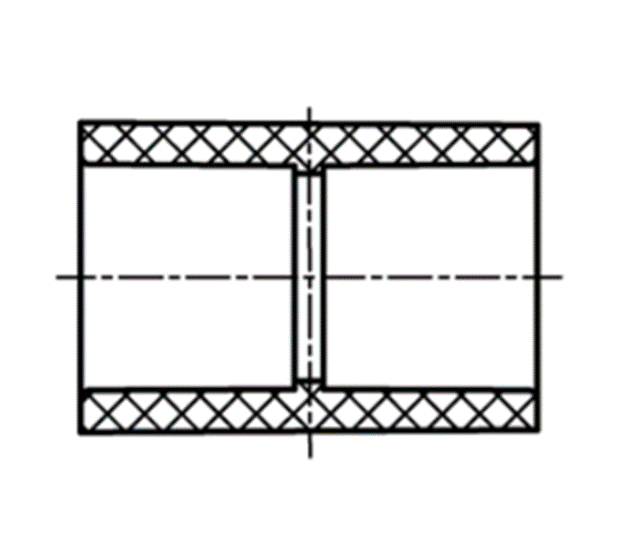
Advantages of Plastic Plumbing Materials
The primary appeal of plastic pipe lies in its superior resistance to corrosion and rust, issues that plague metal piping over time. Unlike copper, plastic does not react to acidic water or degrade due to mineral deposits, leading to a much longer lifespan and consistent water quality. Furthermore, plastic piping is significantly lighter and easier to cut and assemble, drastically reducing installation time and labor costs. The flexibility of PEX pipe, in particular, allows for fewer fittings and connections, minimizing potential leak points in the system.
Differentiating Pipe Types and Uses
Not all plastic is created equal. PVC pipe (Polyvinyl Chloride) is typically rigid and best suited for cold water and non-pressure applications, such as large high pressure PVC pipe fittings in industrial water treatment. CPVC (Chlorinated Polyvinyl Chloride) is similar to PVC but has been chemically enhanced to withstand higher temperatures, making it suitable for both hot and cold water supply. PEX (Cross-linked Polyethylene) is flexible and is the current standard for residential hot and cold water distribution due to its durability in freezing conditions.
Addressing Pressure and Durability Concerns
A major concern is whether a plastic pipe can withstand the pressure of a water system. The answer is yes, provided the correct Schedule (wall thickness) is used. For instance, Schedule 40 or Schedule 80 PVC pipes are rated for high pressures and are commonly used in industrial and municipal applications alongside specially designed high pressure PVC pipe fittings. When installed correctly, modern plastic systems offer durability and reliability that meet or exceed that of traditional metal piping.
Installation and Code Compliance
To ensure a plastic pipe system is reliable, installers must strictly adhere to the manufacturer’s guidelines and local plumbing codes. For PVC and CPVC, this means proper application of primer and solvent cement for a leak-proof chemical weld. For PEX, it means using the correct crimping or expansion tools to secure the mechanical fittings. Always verify that the plastic pipe selected is certified for the intended use (e.g., NSF-approved for potable water).
Conclusion In summary, plastic pipe is an excellent, safe, and durable choice for nearly all modern plumbing needs, offering advantages in cost, installation, and resistance to corrosion. Success hinges on selecting the right material—be it PEX for flexibility or the appropriate Schedule of PVC for demanding pressure applications. Globally recognized for manufacturing plastic fittings of superior quality, LESSO America ensures its product line not only complies with stringent cNSFus and cUPC certifications but also surpasses the demanding requirements set by ASTM standards.
You May Also Like

How Opportunity and Preparation Shape the Cukong77 Philosophy

What Is an FPS Withdrawal and How Does It Work
