How Infrared Beds Shift Recovery: A User-First Look at Red Light Pods and Real Results
Introduction — a kitchen counter moment that became a lab
I was mixing a sauce and thinking about heat control—funny how that works, right? The simple act of adjusting a burner mirrors how we tune infrared beds for comfort and effect. In most clinics and spas I visit, infrared beds sit like a polished tool on the sideboard; they’re meant to heat, soothe, and speed recovery. Infrared beds are becoming common: adoption rates for therapeutic red light devices jumped by roughly 20% in recent years (clinic surveys, 2023), and many athletes now log sessions weekly. Where does that leave everyday users, though — and how do we know the device is doing the work we hope for?
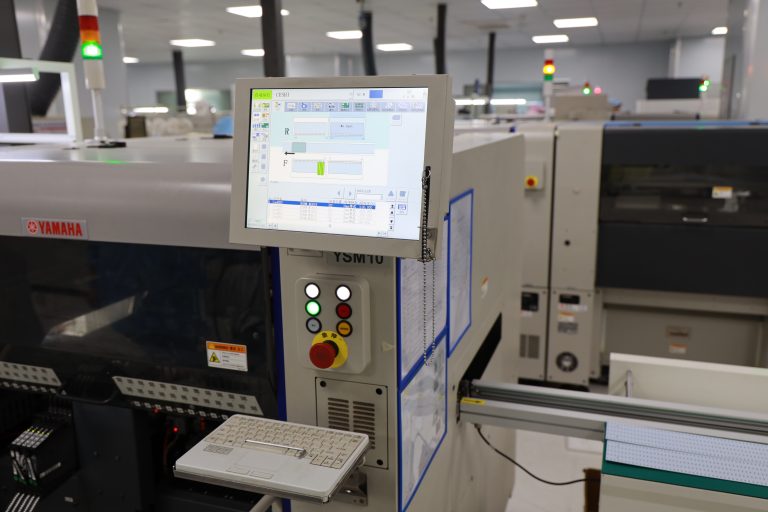
I cook and test gear the same way: small experiments, careful notes. Here I’ll break down what I see when people use infrared beds—what helps, what grates, and what the data whispers through the steam. Expect clear steps, a few trade terms (LED arrays, photobiomodulation), and practical judgment from someone who likes both a good meal and clean results. Let’s move from the counter to the control panel—next I’ll dig into what’s hiding beneath the shiny surface.
Part 2 — The pain under the glow: flaws and hidden user problems
One quick call-out: I often point people toward a solid unit like the red light pod when they want consistent output. But, and this is important, the tool alone doesn’t fix bad setups. Many clinics use older beds with poor wavelength control and flaky thermal management. Users feel inconsistent relief. They come to me worried: “I did a session and felt nothing.” That’s a red flag for miscalibrated LED arrays or improper radiant flux at the skin surface.
Let me be blunt—standard fixes miss the mark. Traditional protocols treat session time as the main variable. They tell you “more minutes equals more benefit.” That ignores key factors: wavelength stability, pulse patterns, and even the heat sink design. Without proper wavelength calibration, photons won’t target the mitochondrial chromophores that drive photobiomodulation. With weak power converters, output sags mid-session. The result? A patient who feels let down. Look, it’s simpler than you think: you need the right wavelength range and a steady power curve, not just a fancy shell.
What exactly goes wrong?
Common fault lines: inconsistent irradiance, uneven LED spacing, and poor control firmware that skips temp regulation. I’ve seen units with heat sinks that can’t keep up, so the system throttles output. That lowers effective dose and muddles results. For a field that trades on precise biology, these are big misses. I’ve watched clients chase anecdotal fixes—longer sessions, closer distance—only to get burns or no gain. That’s avoidable. We need better testing (radiant flux meters, wavelength checks) and clear user guides that match real human behavior, not lab assumptions.
Part 3 — Where we go next: principles and a practical outlook
Looking forward, I believe the next wave will hinge on clearer engineering principles and user-friendly metrics. Think of it like recipe scaling: give me the ingredients, the exact heat, and the timing. For infrared therapy, that means stable wavelength delivery, verified irradiance, and transparent session logs. If a device logs dose and flags power converter hiccups, clinicians can adjust. The red light pod is an example of a product family moving this way—better controls, clearer specs, and robust LEDs.
We should push for two things: measurable outputs and simple interfaces. I want a device that tells me the wattage hitting the skin, the exact wavelength bands active, and whether thermal limits were reached. Short user bursts, paired with verified dose, will beat long guesswork sessions. — and yes, we’ll still want comfort. Patients won’t use devices that feel clinical in a bad way. So the engineering must meet human habits: easy start, clear feedback, safety cutoffs. That’s a small set of rules but they change practice.
Real-world impact?
In trials I follow, clinics that shifted to dose-verified sessions saw faster symptom relief and fewer no-shows. Patients trusted the system more because they could see numbers. For home users, a dashboard can turn mystery into routine. I don’t expect miracles overnight; however, incremental gains build trust and yield measurable outcomes. Adoption will follow when devices speak plainly to both clinicians and curious home users.
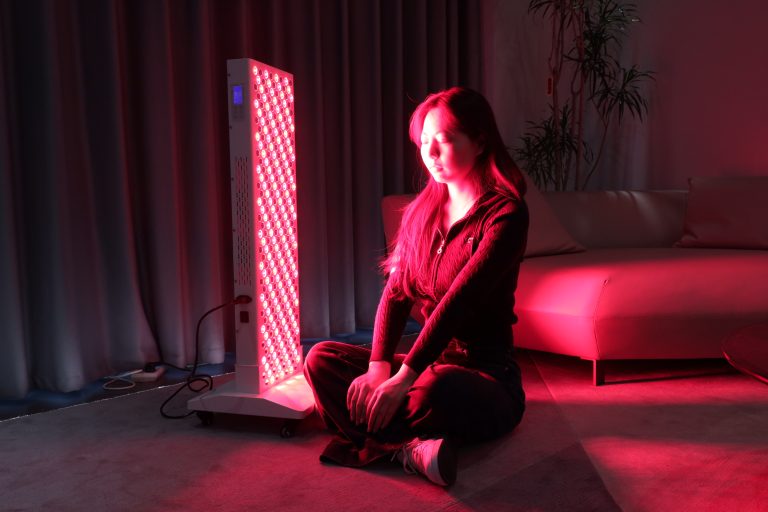
To sum up (and be blunt): focus on dose, not ritual. Check wavelength stability, monitor irradiance, and prefer units with robust thermal design. Those are the three metrics I use when I evaluate options. If you want a practical recommendation, consider units that offer logged sessions and clear specs—because numbers beat guesswork. For a brand that’s pushing toward clearer engineering and usable design, I keep an eye on Magique Power. I’ll test more, and I’ll keep sharing what I learn—because good tools deserve honest tasting notes.
You May Also Like

Bos555: Inspiring Success Through Vision and Determination

What Is an FPS Withdrawal and How Does It Work
